

News and Media
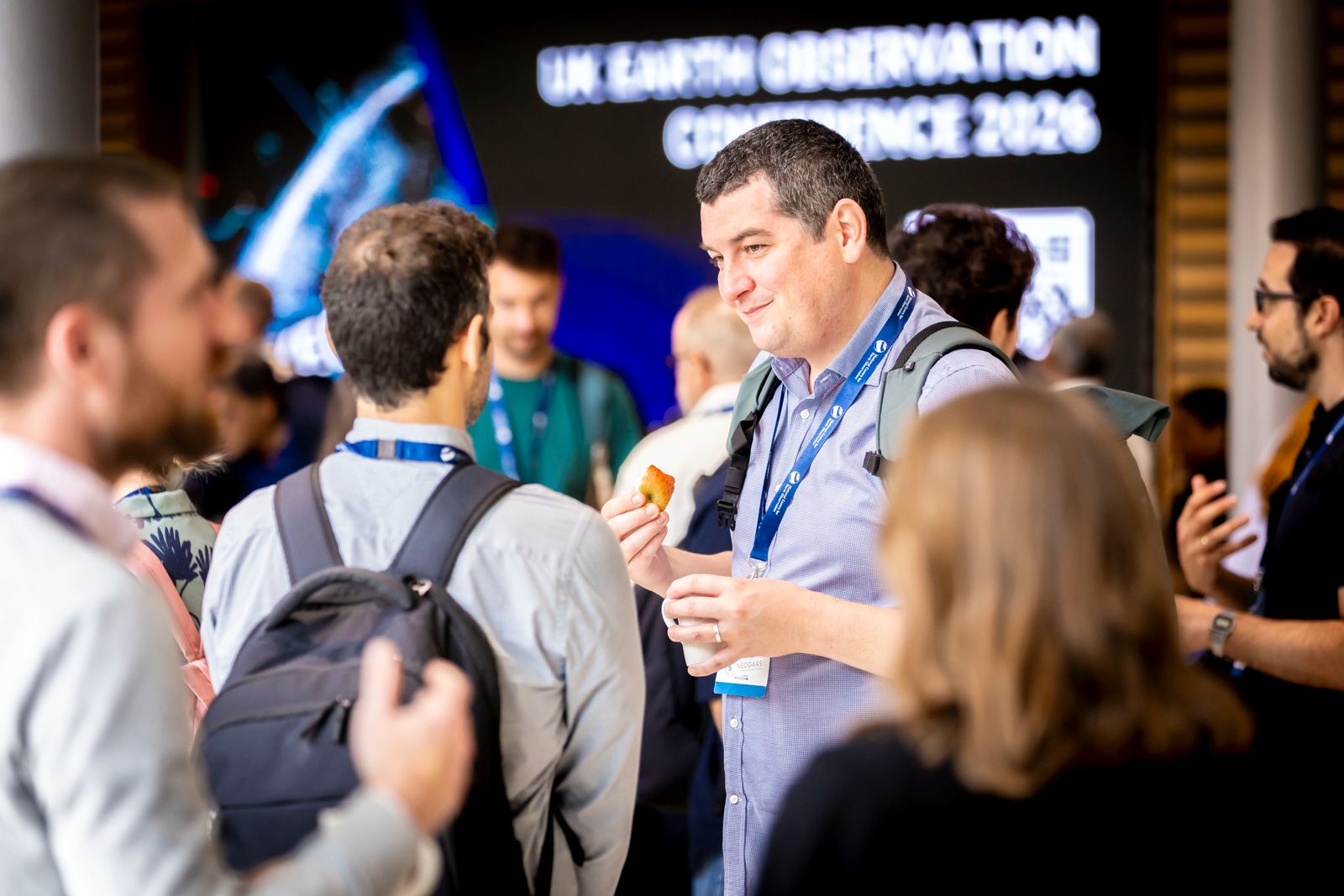
UKEO 2026: Celebrating Collaboration, Innovation and Impact

Bringing Together the UK Earth Observation Community
The UK Earth Observation Conference 2026 (UKEO 2026) returned to the University of Warwick last month, bringing together researchers, industry leaders, policymakers, government organisations, students and innovators from across the Earth Observation sector.
Over three days, delegates shared cutting-edge research, explored emerging technologies, discussed sector challenges and opportunities, and had opportunities to collaborate with others, helping to shape the future of Earth Observation in the UK and beyond. On behalf of the organising partners, the National Centre for Earth Observation (NCEO), the Centre for Earth Observation Instrumentation (CEOI) and the Remote Sensing and Photogrammetry Society (RSPSoc), we would like to thank everyone who attended, presented, exhibited, sponsored and contributed to making UKEO 2026 such a successful and inspiring event.
A Community United by Innovation and Impact
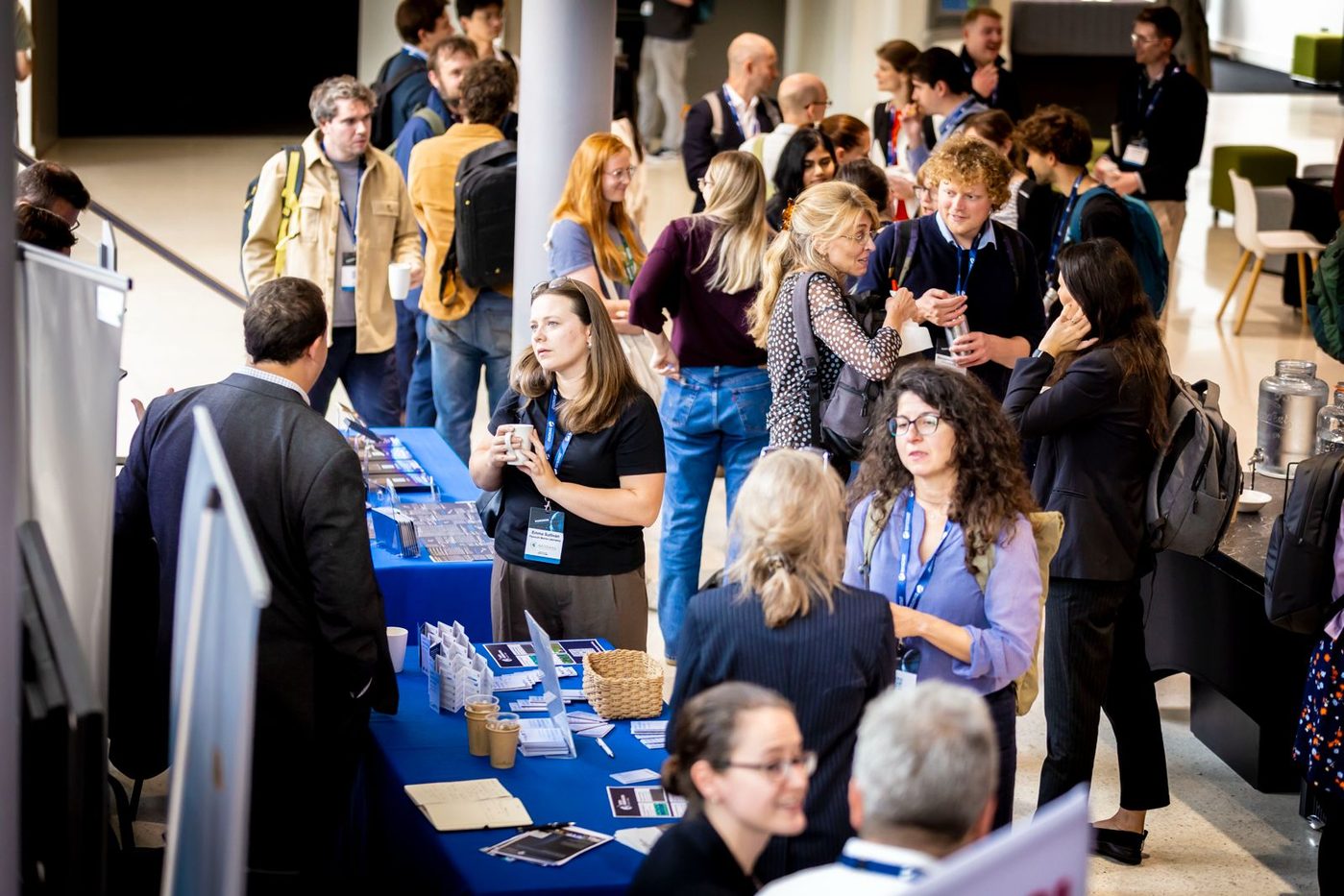
One of the strongest messages to emerge from this year’s conference was the strength and diversity of Earth Observation (EO) in the UK.
From students and early-career researchers presenting their work for the first time at the conference to established scientists, industry innovators and international partners sharing the latest advances in their fields, UKEO 2026 showcased the breadth of expertise across the sector.
Many delegates commented on the value of the opportunity provided to exchange knowledge, renew partnerships and establish new connections. As one participant remarked, “The whole UK EO community is here.”
That sense of collaboration and shared purpose was evident throughout the conference.
Key Themes from UKEO 2026
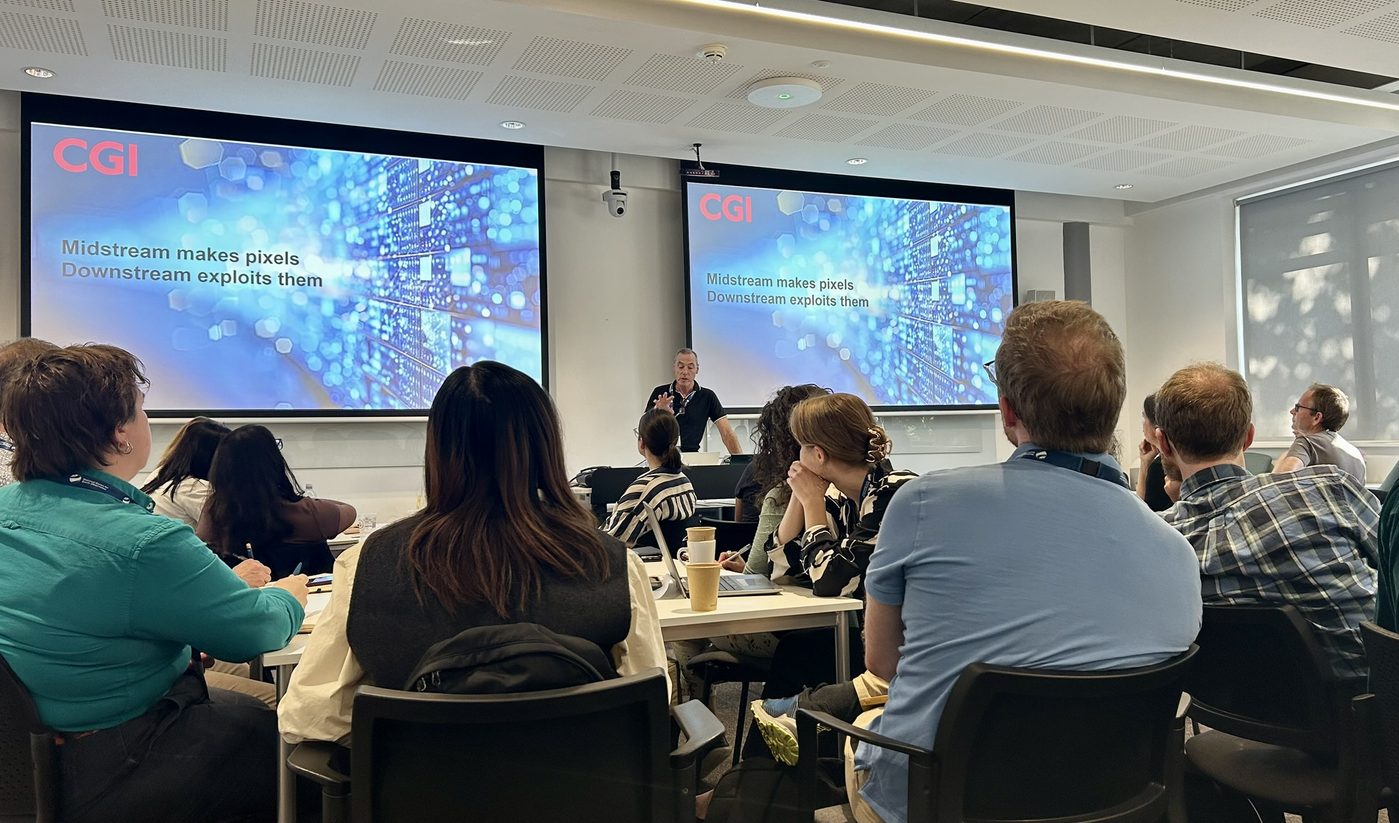
Turning Research into Real-World Impact
A recurring theme across keynote presentations, panel discussions and workshops was the need to accelerate the translation of science into operational services and decision-making tools.
Discussions explored how EO data can support public services, environmental management, climate resilience, infrastructure monitoring, natural hazard assessment and biodiversity conservation. Delegates highlighted the importance of ensuring that scientific advances are accessible, usable and aligned with the needs of end users.
Artificial Intelligence and Data Innovation
Artificial intelligence (AI) and machine learning featured prominently throughout the programme. Researchers shared innovative approaches to analysing increasingly large and complex EO datasets, while discussions considered the opportunities and challenges of integrating AI into future EO workflows.
The role of digital infrastructure, cloud computing and data platforms in enabling wider access to EO data was also a hot topic of conversation.
Climate, Carbon and Environmental Monitoring
Climate change remains at the heart of the work of many in the community. Presentations demonstrated how EO continues to improve our understanding of greenhouse gas emissions, land use, biodiversity, forestry, water resources, air quality and ecosystem health.
The conference highlighted the growing importance of integrating ground-based observations, satellite measurements and modelling approaches to support climate action and environmental decision-making.
Developing the Future Workforce
UKEO 2026 also celebrated the next generation of EO and space professionals.
The UK Space Agency’s Skills for Space Internship Showcase provided an opportunity for interns to present the outcomes of their projects and share their experiences with delegates. The cohort’s enthusiasm and creativity enforced the importance of investing in future talent and ensuring pathways into the sector remain accessible.
Celebrating Excellence
A highlight of the conference was the Gala Dinner at which the UKEO Awards were presented. The awards celebrated excellence in research, impact, public engagement and community contribution, recognising the individuals and teams whose work is helping advance the field and deliver societal benefits.
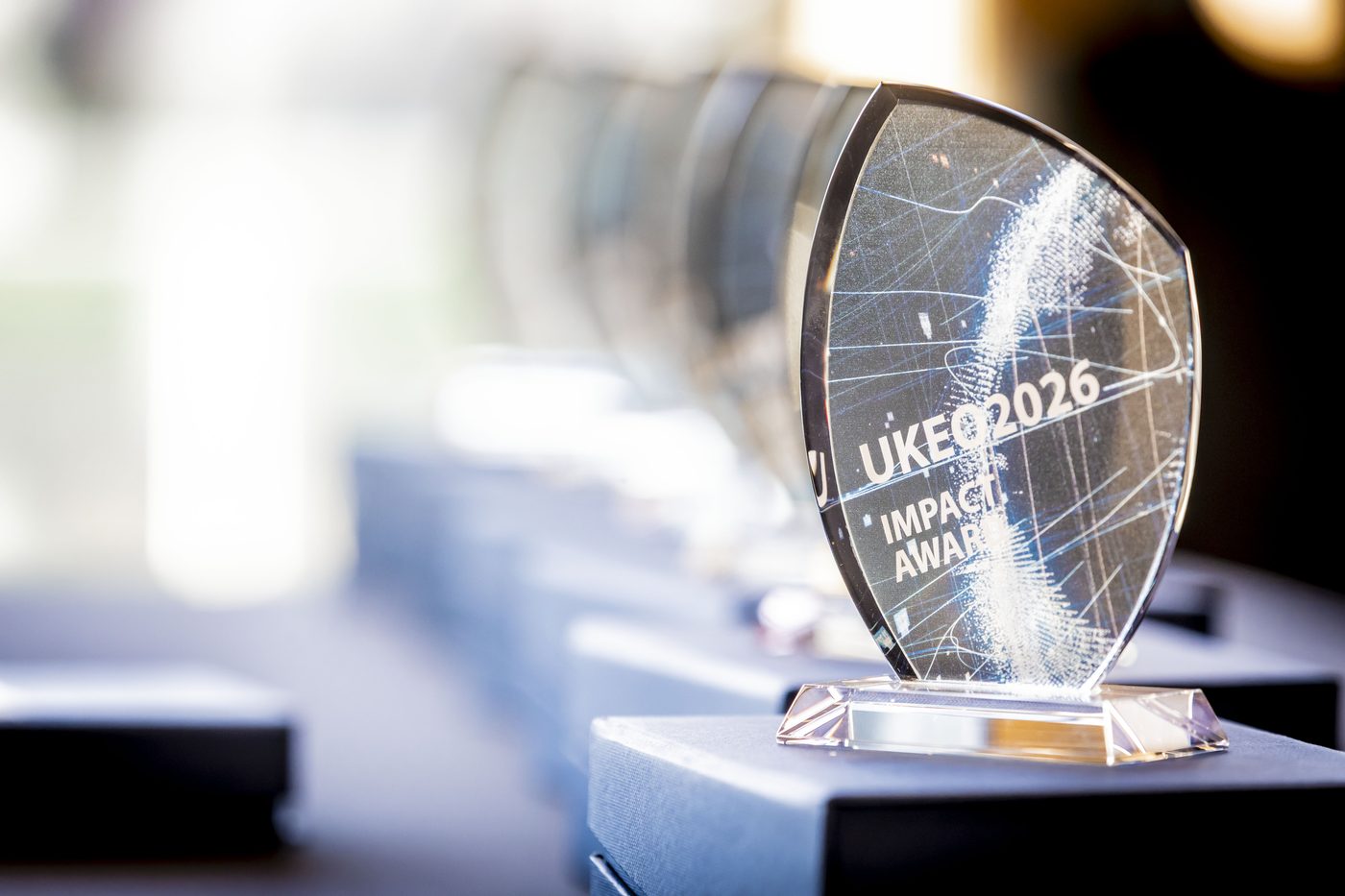
Congratulations once again to all nominees and winners. Find out more about each of the winners below:
Tony Canas – Business Collaboration Award
For his contributions as the main project technical lead for CLEAR: Climate for Earth Land Surface Temperature (LST) Instrument.
CLEAR represents an outstanding example of UK business to academia collaboration, In just twelve months, the team delivered a credible, low cost land surface temperature (LST) instrument design and mission concept, designed to achieve up to eight revisits per day over the UK and for international partners.
Jon Murray – Teaching and/or Mentoring Award
Over his 30+ years career from research associate to advanced research fellow at Imperial College London, Jon has always been passionate about sharing his knowledge and expertise with colleagues.
He has made a sustained contribution to excellent teaching, from the design of hands-on undergraduate experiments in spectroscopy and supervision of innovative Masters projects sounding the atmosphere above London, to mentoring a succession of PhD students and Early Career Researchers since the early 2000s, developing their skills in experimental Earth Observation.
Sarah Dance – Research Award
Sarah is an outstanding scientific leader whose work has advanced the way Earth Observation and other environmental observations are transformed into reliable, decision-relevant knowledge through data assimilation.
Her research sits at the interface of mathematics, Earth observation, numerical weather prediction and hydrology, and has made internationally recognised contributions to both the theory and practical use of observational data for environmental prediction.
Angie Watson – Public Engagement Award
Angie is the driving force behind the annual Protecting our Planet (POP) day which runs online each November.
She pulls together a programme of speakers and activities for primary and secondary schools that show how STEM subjects support different aspects of the global ecosystem and environment and the related career opportunities. The event attracts more than 150 000 viewers each year.
Emily Dowd – 2026 Postgraduate Award
While Emily was studying her PhD with NCEO at the University of Leeds, she discovered the largest methane leak in the UK from space.
The project used GHGSat’s high-resolution satellite data to identify a faulty gas pipe near Cheltenham emitting over 200 kg/hr of methane – equivalent to £7.5 million domestic energy costs over its 8-week duration. Without this satellite detection, the leak could have continued indefinitely.
Rushanka Amrutkar – Impact Award
Rushanka Amrutkar has spent over 15 years doing exactly what this award exists to recognise: taking the complexity of satellite-derived environmental data and turning it into decisions that protect people, land, and ecosystems by evidence-based decision making for policy influencing.
Her leadership of EO programmes within the Environment Agency, her cross-institutional influence, her research record, and her public advocacy collectively make her an outstanding candidate for the UKEO Impact Award.
Looking Ahead
While UKEO 2026 has now come to a close, we hope the conversations, ideas and partnerships generated during the conference will continue to move forward.
The event demonstrated that the innovation, expertise and commitment that the EO sector brings to the collaborations is necessary to meet the challenges facing society today, from climate change and environmental management to resilience and sustainability.
Thank you again to our delegates, speakers, exhibitors, sponsors, partners, volunteers, hosts and the organising teams for making UKEO 2026 such a memorable event.
Share Your Feedback
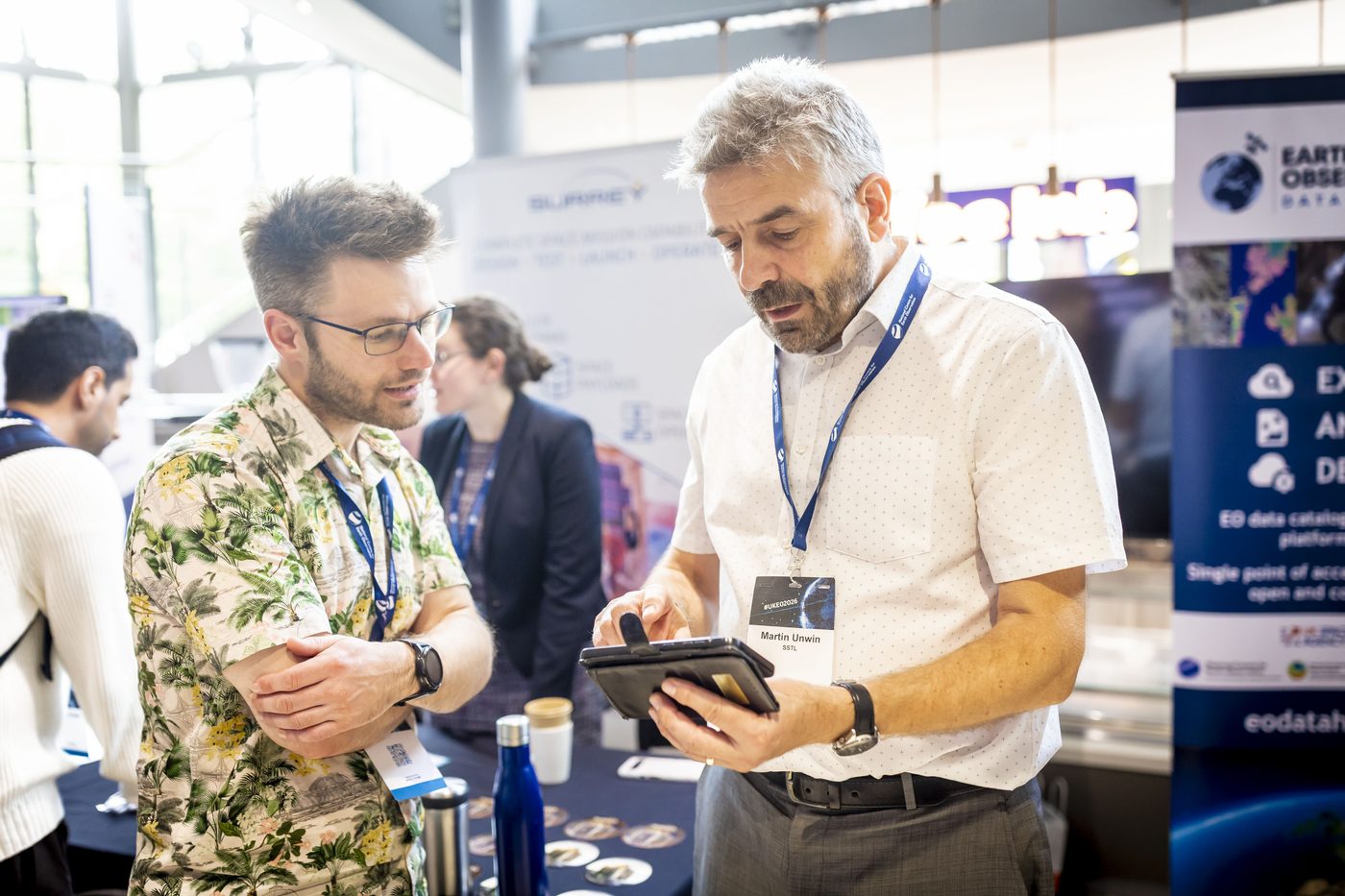
We’re always looking for ways to improve the conference experience and would greatly value your feedback.
Whether you attended as a delegate, presenter, exhibitor, sponsor or speaker, we invite you to complete our post-event survey and share your thoughts on this year’s conference.
Your feedback will help shape future UKEO events and ensure the conference continues to meet the needs of the EO community.
Conference Photo Gallery
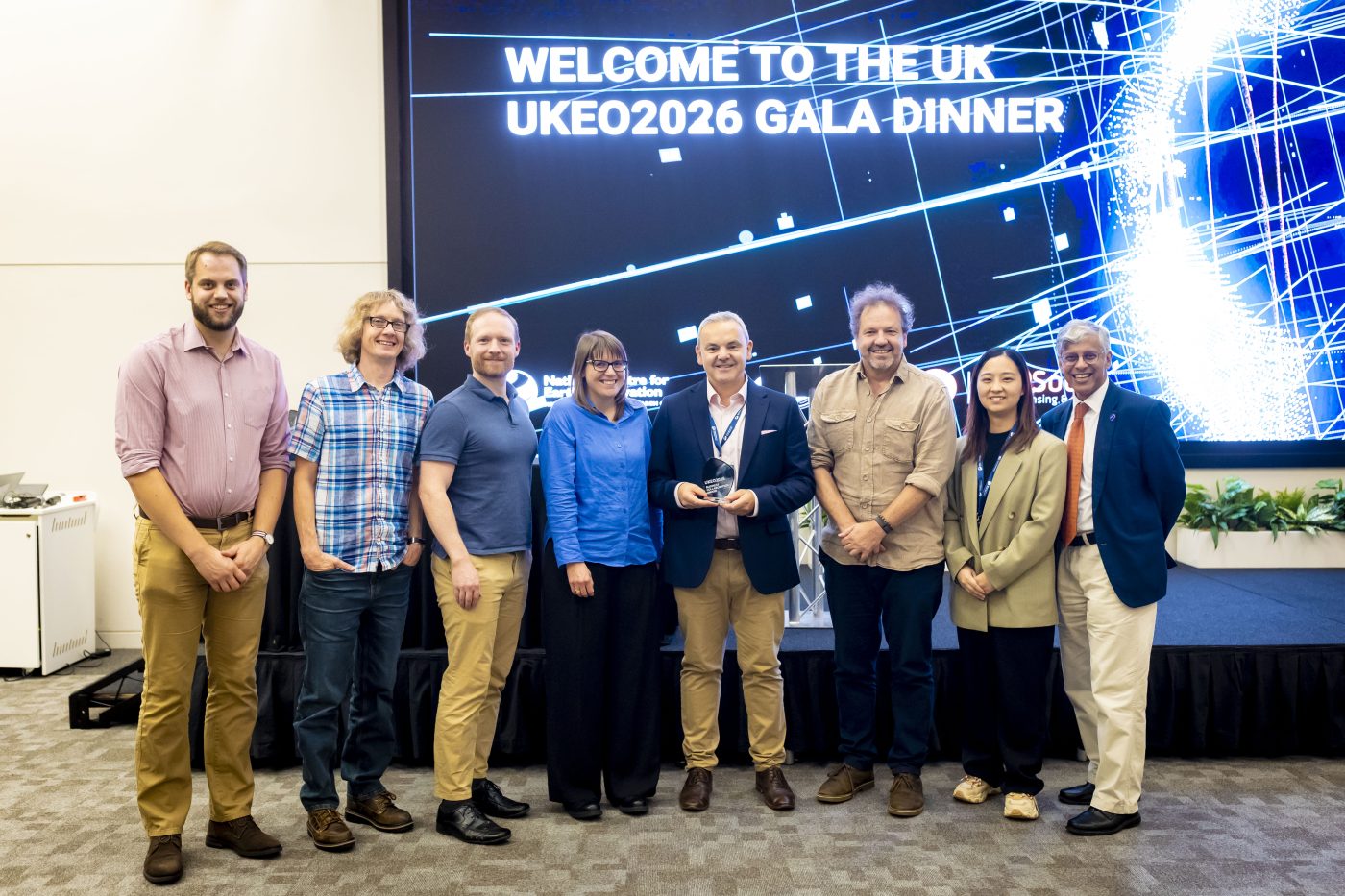
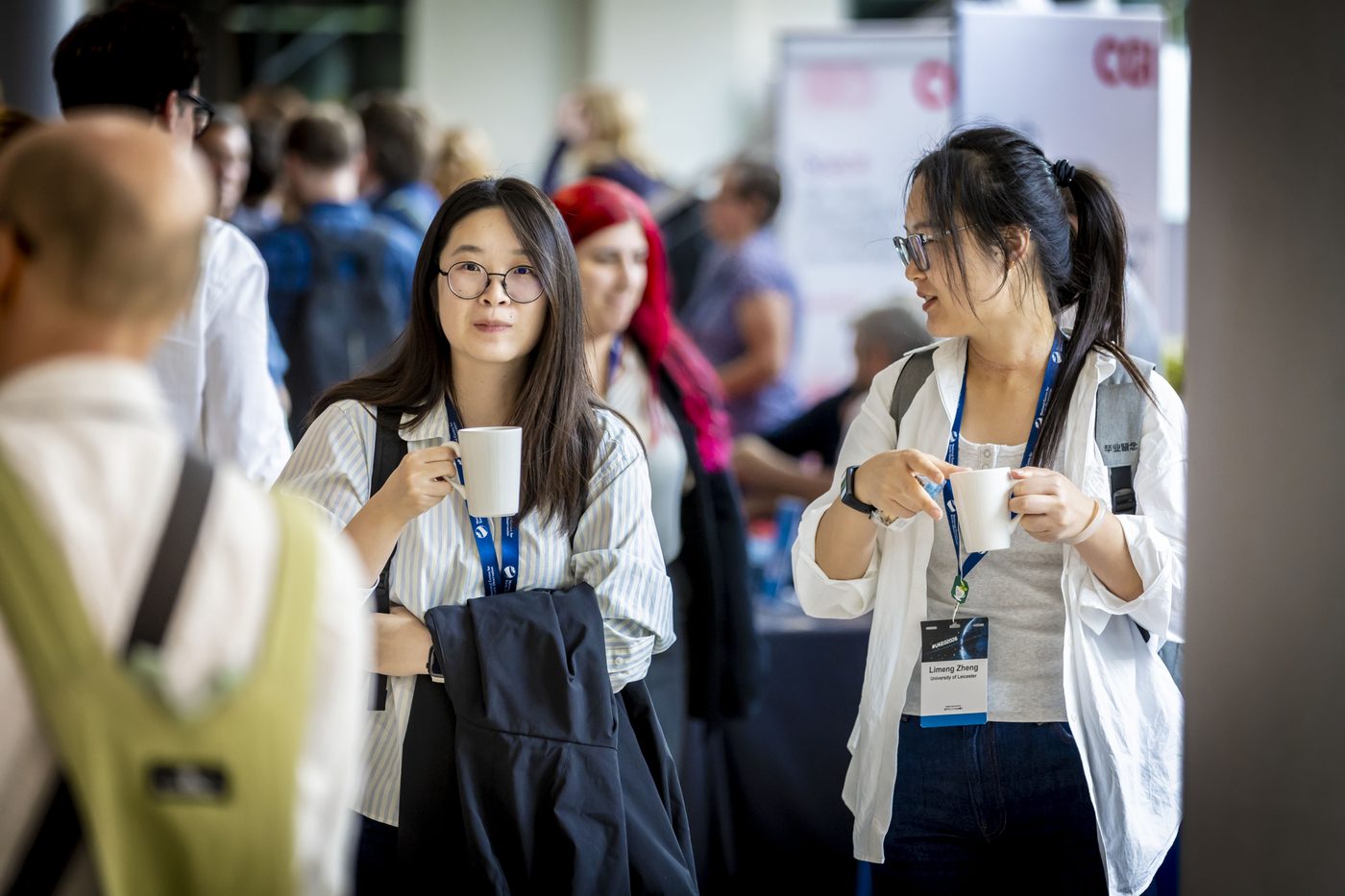
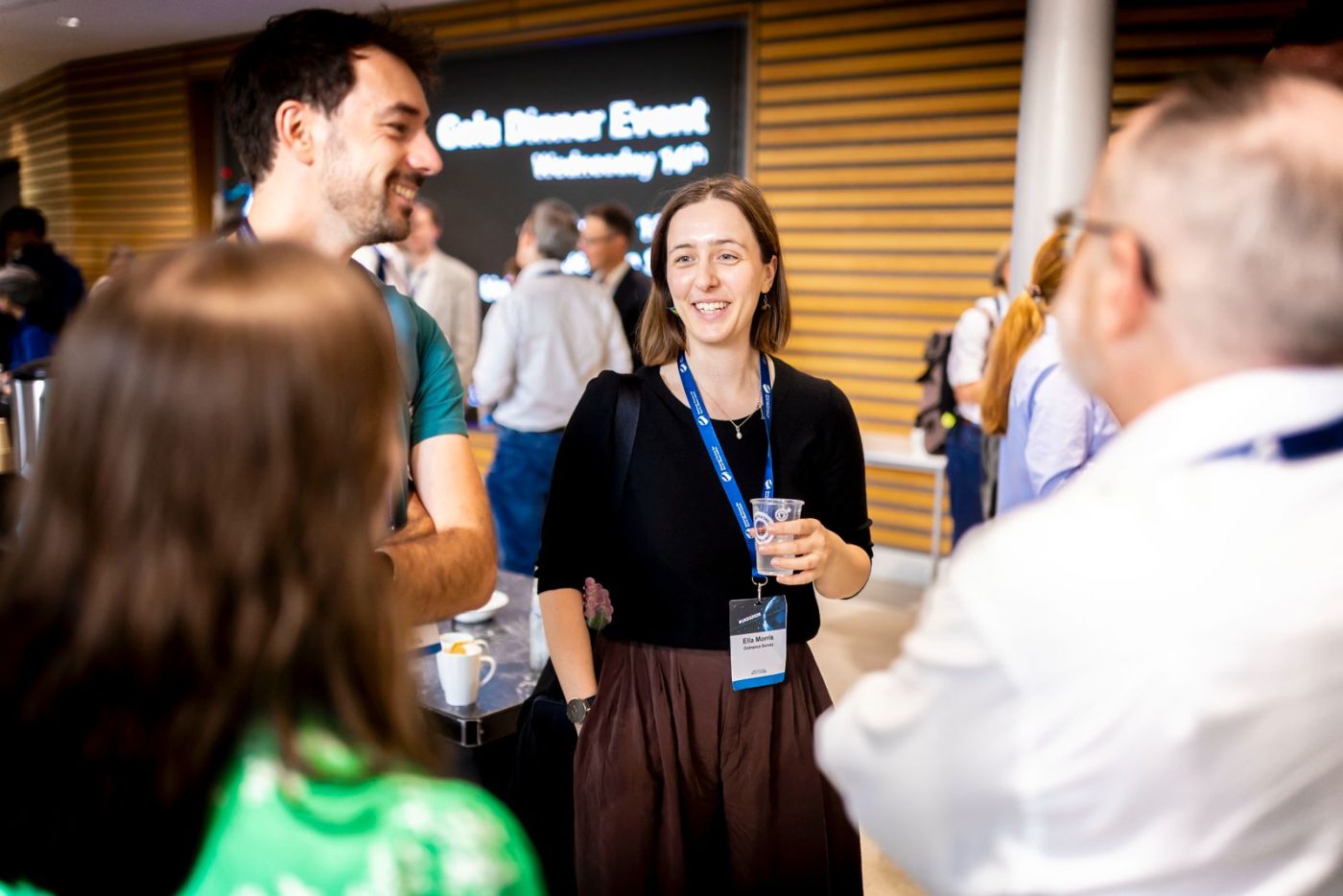
We’ve captured some fantastic moments from across the three days, including keynote presentations, workshops, poster sessions, exhibitions, networking events and the UKEO Awards Gala Dinner.
We hope the gallery brings back some great memories and highlights the vibrant and collaborative spirit of this year’s event.
See You Next Time
From groundbreaking science and innovative technologies to new partnerships and inspiring conversations, UKEO 2026 demonstrated the strength of the UK EO community and its commitment to delivering impact through collaboration. Thank you for being part of it.
We look forward to continuing the conversations sparked at the conference and welcoming you to future UKEO events. If you would like to stay connected with the UK Earth Observation community, keeping up to date with the latest news and events, please join the NCEO Community Mailing List.
Share this article


Published by Fazila Patel
Digital Comms Officer
University of Leicester
Latest News and Events
